FEEDBACK
If you are interested in our products and want to know more details, please leave a message here, we will reply you as soon as possible.

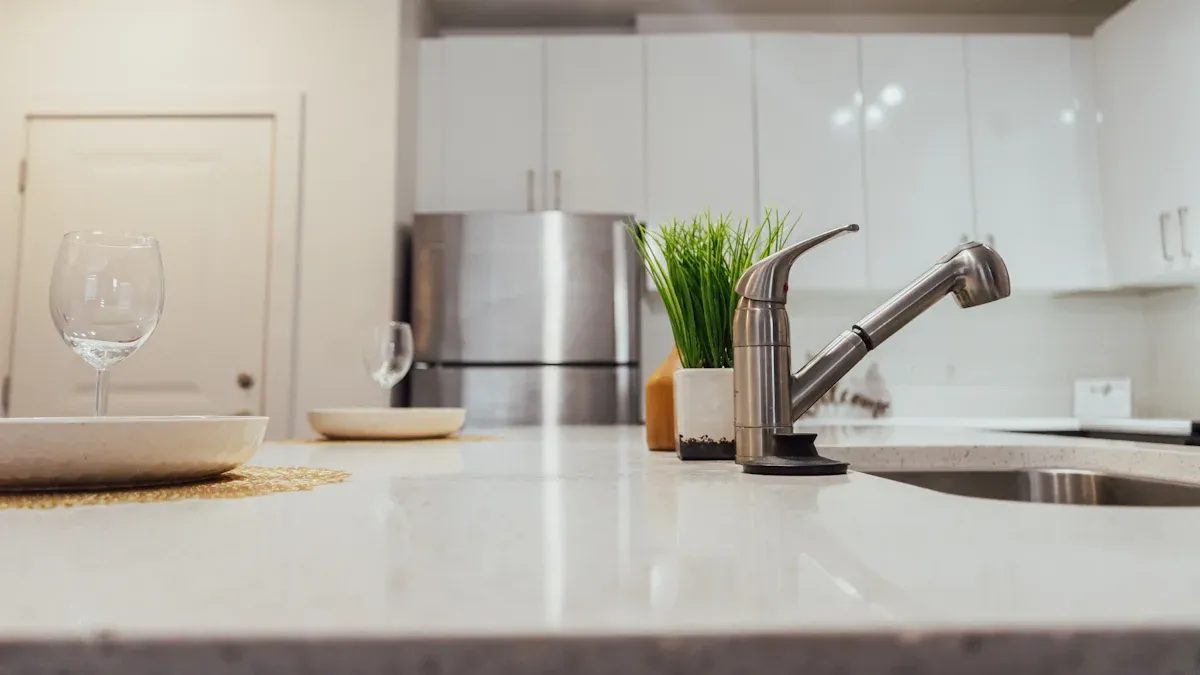
You might ask if it is safe to put a heavy stone countertop on PVC cabinets. PVC Cabinet Weight Limits are very important for this choice. If you go over these limits, the cabinets can bend or break. You should get a professional to check before you make changes.
PVC cabinets are made from polyvinyl chloride. This is a kind of plastic. They are not the same as wood or metal cabinets. There are two main types of PVC cabinets. One type is hollow PVC boards. The other type is PVC foam boards. Hollow PVC boards can hold less weight. They are good for storing light things. PVC foam boards can hold more weight. They last longer and are stronger. They do not get damaged by heat, termites, or water. This makes them a good choice for kitchens.
Here is a table that shows how common cabinet materials compare:
Material | Structure Characteristics | Durability Characteristics |
|---|---|---|
PVC | Closed-cell structure, lightweight, strong | Resistant to scratches, dents, and moisture damage |
Wood | Natural aesthetic, requires maintenance | Prone to warping and requires sealing |
Plywood | Layers of wood veneer, strong and stable | Less prone to warping than solid wood |
Particleboard | Cost-effective, made from wood particles | Susceptible to moisture damage |
If you pick PVC foam boards, your cabinet can hold more weight. It will also last longer. This is important when you think about PVC Cabinet Weight Limits in your kitchen.
How your PVC cabinets are built matters. It affects how much weight they can hold. PVC foam board cabinets are light and waterproof. They do not catch fire easily. These things make them safe and strong. They work well outside or near heat. You should choose cabinets with strong joints. Extra support under the countertop is also important. Good building helps stop sagging or breaking.
PVC foam board holds heavy countertops better than hollow boards.
Waterproof and flame-retardant features make cabinets safer and stronger.
Strong building means your cabinets last longer and stay safe.
If you want a heavy stone countertop, check the cabinet’s building and support. This helps you stay safe with PVC Cabinet Weight Limits. It also helps you avoid problems later.
You need to know what the manufacturer says about how much weight your cabinets can hold. Most companies set their own standards for PVC cabinet weight limits. Usually, you will see these numbers:
Cabinets can support about 80 to 150 pounds for every linear foot.
The total weight should not go over 500 pounds for each cabinet.
These numbers help you decide if your cabinets can handle a heavy stone countertop. If you put too much weight on the cabinets, they may bend or break. Always check the label or manual that comes with your cabinets. If you cannot find this information, ask the company or a professional installer.
When you compare PVC cabinets to wood or metal, you will see some big differences. Here is a table to help you understand:
Material | Weight Capacity | Durability | Ideal Use |
|---|---|---|---|
PVC | Limited for heavy loads | Waterproof, termite-proof | Wet areas |
Wood | Strong load-bearing | Naturally strong, can warp if untreated | Long-term durability in dry conditions |
You can see that PVC cabinets do not hold as much weight as wood. They work well in places with water, but you need to be careful with heavy loads.
Many things can change how much weight your PVC cabinets can hold. You should look at these factors before you install a heavy countertop:
Material: The type of PVC matters. Foam boards hold more weight than hollow boards.
Size: Bigger cabinets often support more weight than small ones.
Design: The way the cabinet is built, including the number and placement of shelves, changes the weight it can hold.
Installation: Proper installation is very important. If the cabinet is not installed well, it may not hold much weight.
Tip: Always make sure your cabinets are installed by a professional. Good installation helps you get the most out of your PVC cabinet weight limits.
If you want to use a heavy stone countertop, you must check all these factors. Do not guess. If you are not sure, ask a professional to look at your cabinets. This step keeps your kitchen safe and helps your cabinets last longer.
You need to know how much stone countertops weigh before you choose one for your kitchen. Each type of stone has a different weight. This can affect your cabinet choice. Here is a table that shows the average weight for each material:
Material | Weight (lbs/sq ft) |
|---|---|
Granite | 18 - 22 |
Marble | 16 - 20 |
Quartz | 20 |
Granite stands out as a strong and durable option. Quartz also offers great strength and can handle heavy loads. Marble looks beautiful, but it is softer and may crack if you put too much weight on it. You should always check the weight of your chosen stone before you install it.
Note: Some stones, like quartzite, can weigh even more. A large slab may weigh over 600 pounds. Always measure your space and check the total weight.
You must compare the weight of your stone countertop with the limits of your cabinets. Stone countertops are heavy. If your cabinets cannot support the weight, you risk damage or even injury. Here are some things to consider:
Stone countertops often weigh more than what PVC cabinets can safely hold.
PVC Cabinet Weight Limits usually range from 80 to 150 pounds per linear foot.
If your countertop is too heavy, you may need to reinforce your cabinets or choose a different material.
If you ignore these limits, your cabinets may sag or break. You should always match the countertop weight to the cabinet strength. This keeps your kitchen safe and helps your cabinets last longer.
When you put too much weight on PVC cabinets, you create serious risks in your kitchen. The cabinets may start to sag or even break. If the structure fails, your countertop can shift or fall. This can cause injuries or damage to your kitchen.
You may notice warning signs before a complete failure. These signs include doors that do not close, cracks in the cabinet walls, or a countertop that feels loose. If you see these problems, you should act quickly.
Here are some common safety hazards you might face if you overload your PVC cabinets:
Fire hazards: Overloaded cabinets can trap heat from nearby appliances. This heat can build up and cause flammable materials to catch fire.
Structural hazards: Cabinets may collapse or break if they cannot handle the extra weight. Poor construction or water damage makes this more likely.
Mould hazards: Heavy loads can trap moisture inside the cabinets. This moisture helps mould grow, which can harm your health.
Pest infestations: Overloaded cabinets often attract pests. These pests can contaminate your food and create bad smells.
Unstable countertops: If the cabinets become unstable, the countertop may tip or slide. This creates a risk of injury.
Tip: Always check your cabinets for signs of stress. Fix small problems before they become big hazards.
Ignoring these risks can lead to accidents. You may hurt yourself or others if a cabinet fails. You may also face expensive repairs.
When you go over the weight limit, you may lose your cabinet warranty. Most manufacturers set clear rules about how much weight their cabinets can hold. If you ignore these rules, the company may not help you if something goes wrong.
Long-term damage can also happen. Heavy loads can cause the cabinet frame to warp or crack. The doors may not line up anymore. The shelves may bow or break. Over time, these problems get worse.
You may also see damage to your countertop. If the cabinets sag, the stone may crack or chip. This damage is hard to fix and can cost a lot of money.
Note: Keeping within the weight limits protects your investment. It helps your cabinets and countertops last longer.
If you want your kitchen to stay safe and look good, always follow the weight guidelines. This simple step saves you time, money, and stress in the future.
You can make your PVC cabinets stronger before you install a heavy stone countertop. Start by adding extra support under the countertop. Use metal brackets or steel angles to help spread the weight. Place these supports at the corners and along the cabinet walls. You can also add a plywood base on top of the cabinets. This base helps hold the stone and keeps the cabinets from bending.
If you want more strength, use thicker PVC foam boards for your cabinets. Thicker boards hold more weight and last longer. You can also connect cabinets together. This spreads the load and makes the whole system stronger.
Tip: Always use high-quality screws and fasteners. Cheap hardware can fail and cause problems later.
Here are some ways to reinforce your cabinets:
Install steel or aluminum brackets under the countertop.
Add a plywood sheet between the cabinet and the stone.
Use thicker PVC foam boards for new cabinets.
Connect cabinets side by side for better support.
You should always ask a professional before installing a heavy stone countertop on PVC cabinets. A kitchen designer or contractor can check your cabinets and tell you if they are strong enough. They know how to spot weak points and suggest the best ways to reinforce your setup.
A professional can also help you pick the right materials. They may suggest other cabinet types if PVC is not safe for your project. This step keeps your kitchen safe and protects your investment.
Note: Never guess about weight limits. A professional assessment gives you peace of mind and helps you avoid costly mistakes.
You might see signs that your PVC cabinets cannot hold a heavy stone countertop. Sometimes, doors do not close all the way. You may notice cracks or splits in the cabinet walls. The countertop can feel loose or uneven. Shelves may sag, and the cabinet base might bend. These problems mean your cabinets have too much weight.
Tip: If you hear creaks or see screws coming out, stop putting heavy things in the cabinets. These are early signs that the cabinet is getting weak.
Look for water damage or swelling too. PVC keeps out water, but bad installation can let water inside. This makes the cabinet weaker and lowers how much weight it can hold. If you see these issues, do not put a heavy stone countertop on top.
If your PVC cabinets show these warning signs, you have other choices for holding a stone countertop. Many people pick plywood or solid wood cabinets for more strength. These materials support heavy countertops better and last longer.
Here is a table to help you compare cabinet materials:
Material | Cost-Effectiveness | Moisture Resistance | Structural Integrity | Aesthetic Appeal |
|---|---|---|---|---|
PVC | Affordable | High | Moderate | Limited |
Plywood | Moderate | Moderate | High | Versatile |
Solid Wood | Higher | Low | Very High | High |
Plywood cabinets are strong and not too expensive. Solid wood cabinets are the strongest and look nice, but they cost more and need more care. Pick cabinets that can hold the weight of your countertop for a safe and long-lasting kitchen.
You need to make sure your cabinets are strong enough for your countertop. Ask an expert before you put in a heavy stone countertop. Clean off your counters and clean inside your cabinets. Put something on the floor to keep it safe. Plan for plumbing work and check all the pipes. Careful planning helps keep your kitchen safe and protects your money.
Not every PVC cabinet can hold granite. You must check the cabinet’s weight limit first. Some PVC cabinets need more support for heavy stone.
Watch for sagging, cracks, or doors that feel loose. If you notice these problems, your cabinets need extra help before adding a heavy countertop.
You could break your cabinet or crack your countertop. Someone might get hurt. Always follow what the manufacturer says to keep your kitchen safe.

Steel has true quality,Steel good steel need steel popular,We take the trend fashion sanitary ware market as the guidance, the first stainless steel product series in the industry
Steel has true quality,Steel good steel need steel popular,We take the trend fashion sanitary ware market as the guidance, the first stainless steel product series in the industry